
Internet Protocol Television (IPTV) has rapidly become one of the most popular alternatives to traditional cable and satellite broadcasting. By delivering media content over internet networks, it offers viewers unprecedented flexibility, interactive features, and on-demand access. However, as the technology’s popularity grows, a critical question frequently arises: Is IPTV actually legal?
The short answer is yes, the technology itself is entirely legal. However, the legality of using an IPTV service depends entirely on the provider, the content being accessed, and whether the proper broadcasting licenses have been secured.
This article breaks down the legal landscape of IPTV, the severe risks associated with illegal providers, legitimate alternatives, and how to protect your digital privacy while streaming. For detailed installation guides on popular platforms, check out our setups for Smarters Pro or Chromecast with Google TV.

Understanding IPTV and Its Legal Framework
Unlike traditional television that relies on terrestrial antennas, satellite dishes, or fiber-optic cables, IPTV streams digital video and audio directly through your internet connection (the IP protocol). This allows for advanced functionalities such as pausing live TV, recording broadcasts, and accessing vast Video on Demand (VOD) libraries.
The legal confusion surrounding IPTV stems from the fact that it exists in a regulatory grey area, heavily dependent on the source of the media.
- Legal IPTV: These are services provided by authorized companies that have legally purchased the distribution rights to broadcast the channels, movies, and sports events they offer. You pay a subscription, and the provider compensates the content creators and networks.
- Illegal IPTV: These are unauthorized services that intercept, pirate, or illegally rebroadcast copyrighted material without paying for the rights. They often offer thousands of premium channels for a fraction of the cost of legal providers.
The Severe Risks of Using Illegal IPTV Services
While the low cost of unauthorized IPTV subscriptions can be tempting, utilizing these services carries significant legal, financial, and digital security risks.
1. Legal and Financial Consequences
Accessing and consuming pirated content is a direct violation of copyright law. Depending on your jurisdiction (such as the strict regulations enforced in Spain and throughout the European Union), individuals caught using illegal IPTV networks can face severe legal action, including substantial financial penalties and prosecution.
2. Cybersecurity Threats
Illegal IPTV providers operate outside the boundaries of regulatory oversight and consumer protection laws. By installing unverified applications or connecting to unauthorized servers, users expose their home networks to severe security vulnerabilities. These risks include:
- Malware and Spyware: Illicit streaming apps are frequently bundled with malicious software designed to infect devices.
- Data Theft: Unauthorized platforms often lack basic security protocols, leaving your personal information, IP address, and financial data vulnerable to interception by cybercriminals.
Legitimate IPTV Options and Alternatives
Fortunately, the market is filled with secure, fully authorized options that provide high-quality entertainment without the legal hazards. Choosing a legitimate provider guarantees a safe viewing experience. Many even offer an IPTV Free Trial to test their service before committing.

Authorized Telecom and Cable Providers
Many major telecommunications companies have transitioned to IPTV infrastructure to deliver their digital packages. Examples of prominent authorized providers include:
- Movistar+: A leading telecommunications operator offering premium IPTV services with extensive channel lineups.
- Orange TV: A comprehensive service combining internet access with a robust authorized television package.
- ONO / Vodafone TV: Established providers offering advanced IPTV functionalities and secure access to premium broadcasting.
Mainstream Legal Streaming Platforms
If you do not want a traditional cable-style package, standalone digital streaming services offer massive libraries of authorized content:
- Netflix: The global leader in streaming, offering original series, movies, and documentaries.
- Amazon Prime Video: A premium platform featuring exclusive titles and original productions.
- HBO Max: A high-tier service focused on prestige television series and blockbuster films.
Protecting Your Privacy While Using IPTV
Even when utilizing legal and authorized IPTV services, maintaining your digital privacy should be a top priority. Internet Service Providers (ISPs) can monitor your online activity, and public networks can expose your data.
To safeguard your streaming experience, consider the following security measures:
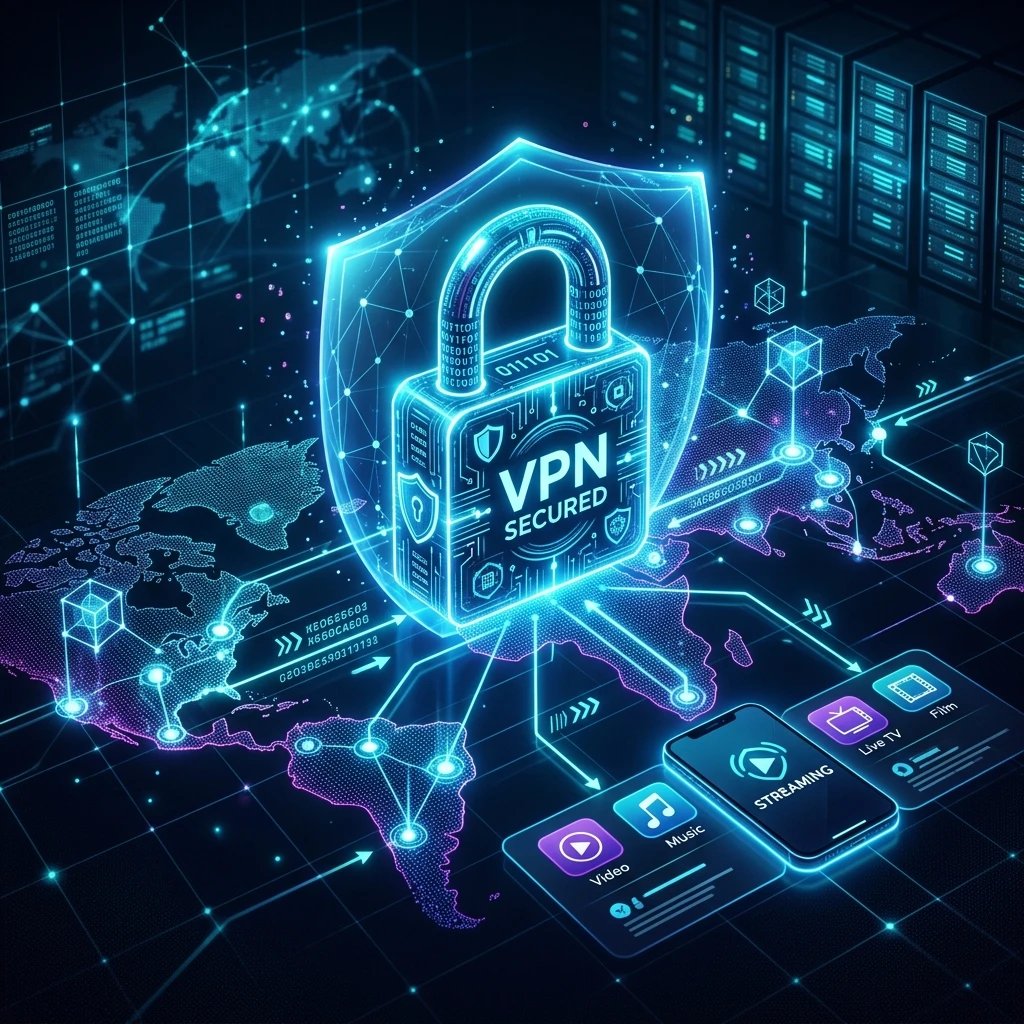
- Utilize a Virtual Private Network (VPN): A VPN is the most effective tool for protecting your online privacy. It encrypts your internet traffic and routes it through a secure server, masking your true IP address. This prevents ISPs and third parties from tracking your viewing habits and adds a crucial layer of security to your network.
- Ensure Encryption Protocols: Only use IPTV providers and streaming platforms that utilize robust security standards, such as SSL/TLS encryption and end-to-end encryption. This ensures that the data passing between your device and the streaming server cannot be intercepted or tampered with.
By understanding the distinction between authorized and unauthorized providers, and by taking proactive steps to secure your network, you can enjoy the full benefits of IPTV safely and legally.
Ready to Upgrade Your Streaming?
Stop missing your favorite live events and VODs. Get instant, anti-freeze access to Neo IPTV UK's premium library right now.